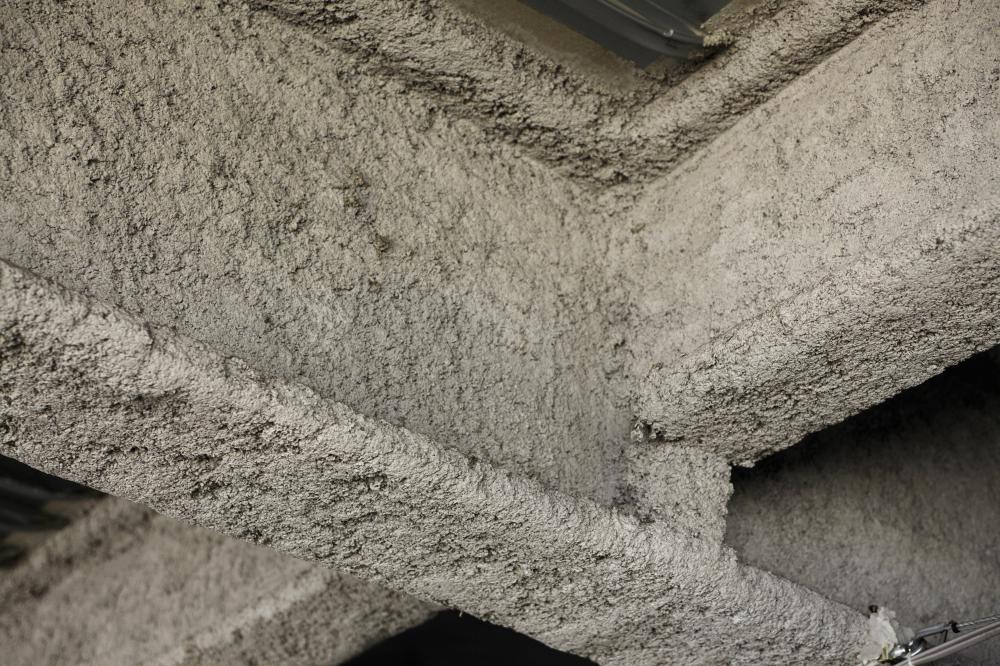
How to Find Asbestos Lagging on Pipelines and Boilers
You can find asbestos lagging on pipelines and boilers by searching for a rough, milky or fibrous texture, completely dry off-white or grey color, and a crumbly, powdery surface— commonly with covers of cloth, hessian, or paper. Cracks, protrudes, and revealed coarse layers are key warnings, especially on older systems. Never disturb or touch suspicious insulation; breathing in launched fibers is harmful. garage demolition Just certified specialists ought to examine or manage it. There's even more you must recognize to stay risk-free and compliant.
Takeaways
- Seek white, grey, or beige insulation with a milky, crunchy, or coarse texture, particularly if it shows up dirty or powdery.
- Asbestos lagging typically appears harsh, plaster-like, and even corrugated, and may be wrapped in fabric, canvas, or painted finishings.
- Examine for insulation in older buildings, specifically on high-temperature pipelines, arm joints, shutoffs, or boilers installed prior to the late 1980s.
- Modern insulation is normally smooth, constant in color, and not powdery or covered in material like older asbestos products.
- Never ever touch or interrupt suspect insulation; only research laboratory screening can verify asbestos, so get in touch with a qualified professional for assessment and tasting. internal strip out
Just How Can You Tell If Pipeline Insulation Is Asbestos?
So, how do you understand if the pipeline insulation you're checking out includes asbestos? Start with a aesthetic examination-– appearance for insulation that's white or gray, chalky, or coarse. Asbestos lagging commonly appears as a tough, plaster-like cover or a corrugated cardboard-like material. You might likewise notice damages or powdering, which enhances danger. Nevertheless, visual assessment alone isn't clear-cut; many older materials look similar. For exact identification, you'll need product tasting. Only educated specialists ought to collect samples, utilizing safety equipment and complying with strict procedures to stay clear of fiber release. Don't disrupt suspicious insulation on your own. read more If you believe asbestos, limit accessibility and tag the area until laboratory analysis verifies the existence or absence of asbestos fibers. Prioritize safety and security at every action.
Why Was Asbestos Made Use Of on Pipes and Boilers?
You'll observe asbestos was widely put on pipes and central heating boilers because it gives exceptional thermal insulation, dramatically lowering heat loss. Its notable fire-resistant properties made it a favored safeguard against high-temperature dangers. Furthermore, you can see its historical allure as an economical remedy, yet it's necessary to identify the severe health threats now connected with its usage.
Superior Warm Insulation
Engineers transformed to asbestos lagging for its unparalleled thermal resistance, enabling pipes and central heating boilers to keep heats while minimizing warm loss. When you inspect old pipework, you'll notice that asbestos lagging was commonly applied in thick, thick layers. This offered superb thermal effectiveness, lowering energy waste and allowing systems to operate even more economically. Asbestos fibers interlace snugly, creating a resilient barrier that withstands failure— also under consistent thermal biking— adding to insulation durability. find out more When evaluating a website, always search for white, grey, or brownish coarse coverings, which may show asbestos lagging. Keep in mind, disturbing these aging products releases harmful fibers. Prioritize security by staying clear of call, and never attempt to remove or example insulation on your own. Expert asbestos land surveyors must manage any thought products to avoid direct exposure.
Fire Resistance Benefits
Although thermal efficiency drove a lot of its fostering, asbestos lagging was likewise valued for its exceptional fire resistance. When checking pipelines and central heating boilers, you'll discover that asbestos fibers were commonly incorporated right into fireproof layers to develop robust thermal barriers. These finishings don't just shield— they're engineered to hinder fire spread and stand up to high temperatures without breaking down. Asbestos's crystalline framework withstands burning and assists preserve the honesty of the underlying metal in the occasion of a fire. If you encounter old pipe insulation that's milky, fibrous, or covered in dense, white or gray material, it might be an asbestos fire-resistant layer. Always presume suspect lagging is hazardous— troubling it can release harmful fibers. Focus on security by avoiding straight get in touch with and looking for professional assessment.
Affordable Product Selection
Many commercial and commercial sites depended on asbestos lagging since it supplied a special mix of longevity and cost. When you're reviewing insulation materials, you'll discover asbestos was typically favored over economical choices because of its excellent thermal resistance and life expectancy. Unlike other alternatives, asbestos fibers developed a thick, secure barrier that reduced warm loss, which straight equated to long-term savings on power expenses. Its resistance to corrosion and mechanical damage meant you really did not need to change the lagging as often, minimizing maintenance expenses. Nevertheless, while the first financial investment appeared cost-efficient, it's vital to recognize the surprise carcinogen that asbestos presents. Always focus on safety methods when examining older pipeline or boiler lagging to stay clear of disturbing harmful asbestos fibers.
Where Is Asbestos Delaying The Majority Of Commonly Found?
You'll usually come across asbestos lagging on pipework in plants, especially around joints and bends where insulation was critical. In residential settings, central heating boiler areas in older homes present considerable risk areas, as lagging may still cover pipes or containers. Public structures commonly have asbestos-insulated furnace, so it's necessary to assess these locations meticulously before any type of maintenance or improvement.

Industrial Center Pipework Locations
Pipework systems in commercial facilities are prime areas for asbestos lagging, particularly where thermal insulation or fireproofing is needed. You'll usually run into asbestos products along pipework hallways, especially on high-temperature heavy steam or procedure lines. Concentrate on valve collections, as these locations normally include complex joins and flexes, making them at risk to heavy lagging applications. Asbestos lagging might appear as a white, grey, or beige covering, often covered with safety paint or towel. In older installations, harmed delaying can launch harmful fibers, so prevent disturbing suspicious materials. Always prioritize safety— usage ideal PPE and prevent straight contact. If you suspect asbestos in these pipework areas, get in touch with a certified specialist for tasting and elimination to minimize direct exposure dangers in these high-traffic industrial environments.
Residential Boiler Area Risks
Beyond industrial setups, asbestos lagging continues to be a significant concern in residential boiler areas, where older heating systems typically feature shielded pipework and central heating boilers. You'll generally find asbestos related to warm water pipes, installations, or around the boiler casing itself. During central heating boiler maintenance, disturbing this lagging can unintentionally launch harmful fibers, seriously influencing air top quality. Poor central heating boiler ventilation exacerbates this threat, as air-borne fibers might gather instead than dissipate. Visually, asbestos lagging might appear as a white or grey, chalky or coarse coating— in some cases covered in fabric or painted over. If you observe abject insulation, don't try repair services yourself. Unmanaged asbestos not only threatens health and wellness yet also influences home heating effectiveness by endangering insulation integrity. Constantly get in touch with certified specialists for examination or removal.
Public Structure Heating Equipments
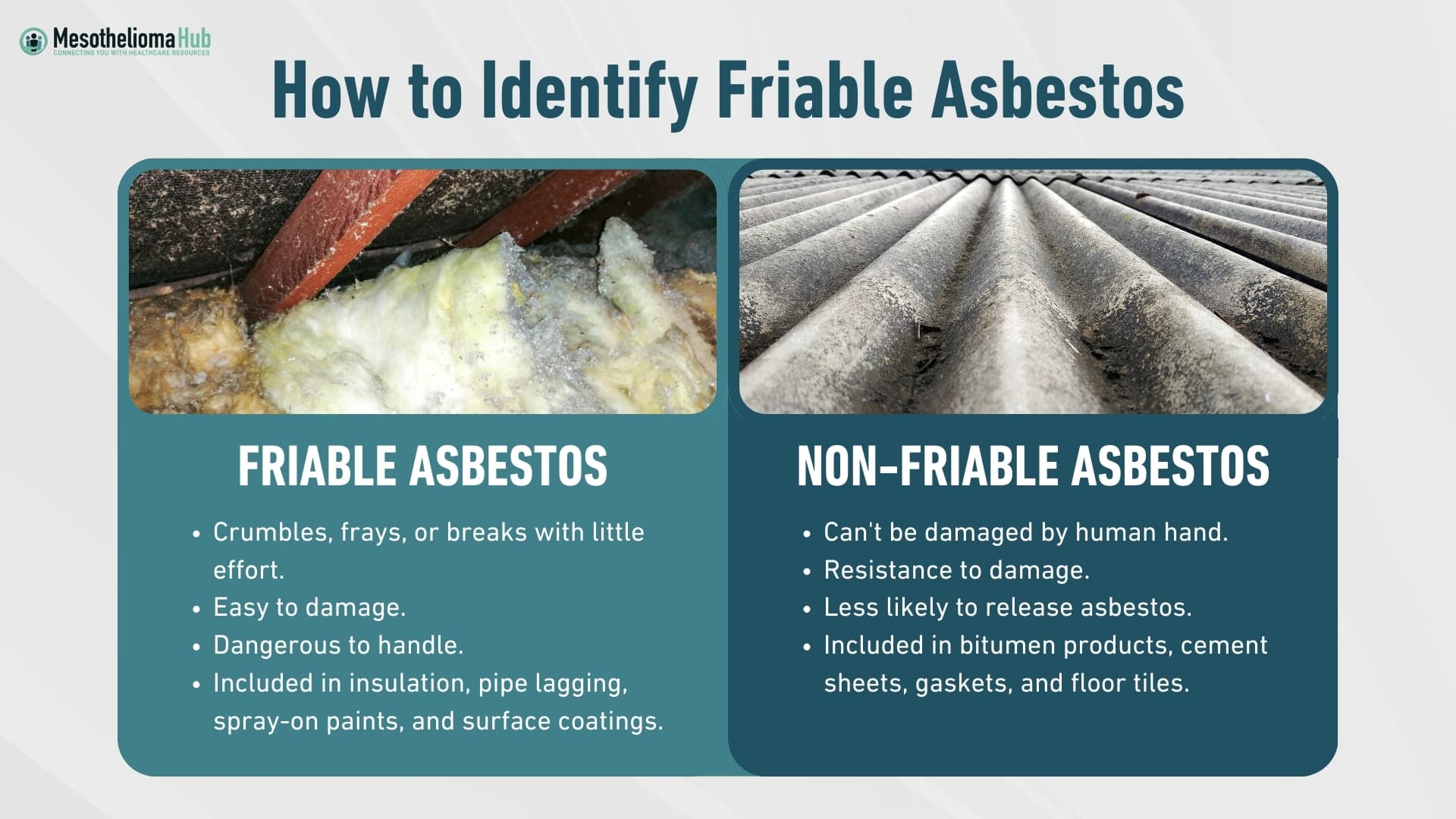
Within public buildings, asbestos lagging is most frequently located on heating unit components such as pipelines, shutoffs, joints, and central heating boiler surface areas— especially in structures built or refurbished before the late 1980s. You'll frequently come across asbestos insulation throughout energy audits, where hidden delaying in central heating boiler rooms and service hallways postures significant direct exposure dangers. When preparing air flow upgrades, you need to evaluate whether existing ductwork or pipe insulation contains asbestos fibers, as troubling this product can launch harmful dust. Constantly examine for brittle, fibrous, or cloth-like coverings with a white, grey, or brownish color. Never try removal— involve qualified experts.
Location
Asbestos Lagging Threat
Pipeline bends/elbows
Very high
Central heating boiler surfaces
High
Valve insulation
Moderate
Solution tunnels
Raised
Ductwork junctions
Moderate
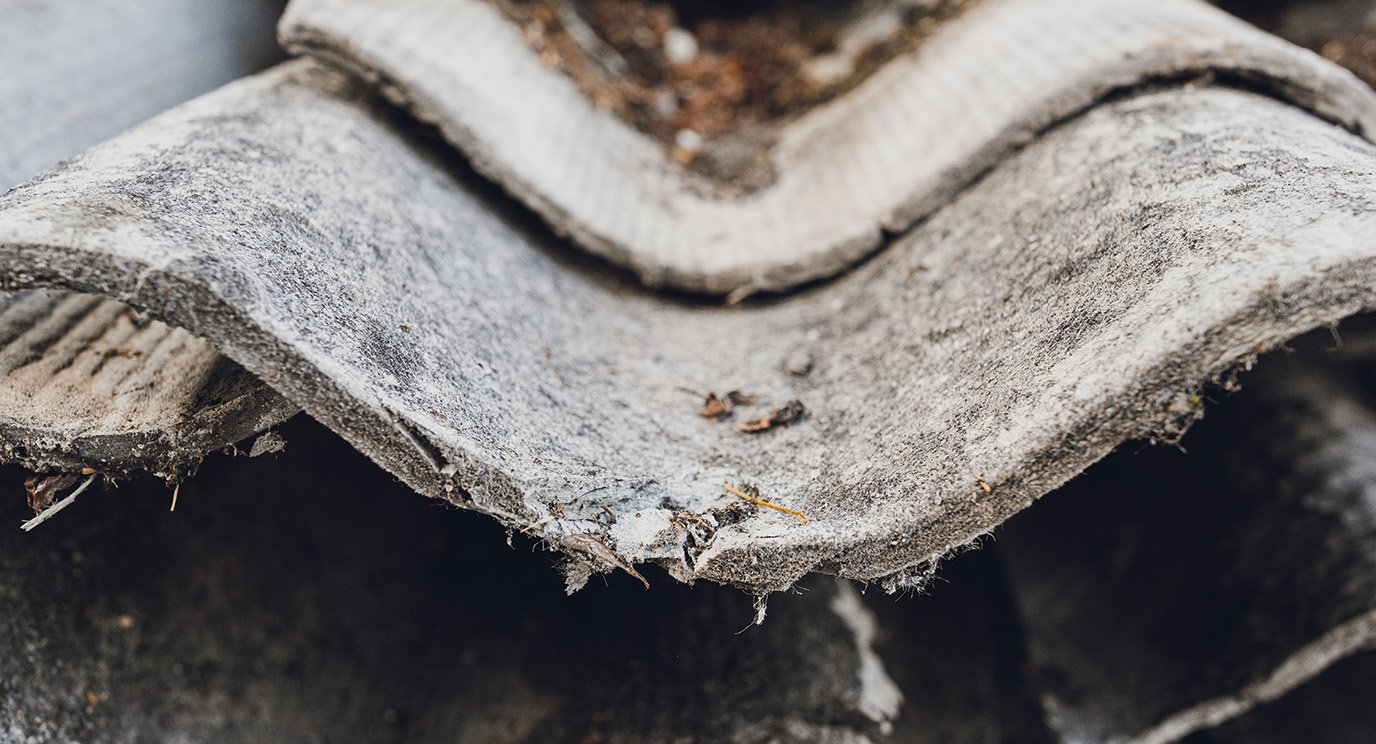
What Does Asbestos Lagging Resemble vs Modern Insulation?
Although it can be complicated to identify at a glimpse, asbestos lagging commonly looks like a rough, grey-white, or beige material that's often crumbly or coarse in structure, often wrapped in hessian, canvas, or painted with a protective coating. When making a textural comparison, you'll see asbestos lagging really feels dry, dusty, and might break apart quickly— these are crucial aesthetic signs. On the other hand, contemporary insulation is generally smooth, constant in shade, and crafted from products like fiberglass or foam. Modern products are much less likely to be wrapped in fabric and lack the fine-grained, friable surface seen with asbestos. Always stay clear of touching suspicious materials; visually inspect from a safe distance, as disturbing asbestos fibres can release hazardous bits into the air, producing considerable health and wellness risks.
Physical Indicators That Point to Asbestos Lagging
Detecting asbestos lagging counts on greater than simply color and texture— there specify physical indications you can try to find when visually examining pipework or boilers. You'll typically discover a textured wrapping that might show up fibrous, harsh, or split. This covering can be completed with paper, canvas, or even painted, however the underlying structure is typically irregular and not uniform like modern-day insulation. Pay close attention to any type of falling apart surface area, as asbestos lagging has a tendency to wear away in time, launching great dust or pieces. Bulging, cracking, or flaking areas are crucial indicators, particularly where insulation is old or exposed. Constantly bear in mind, even minor abrasions or breaks in the lagging can position severe inhalation dangers, so prevent disturbing any kind of suspected asbestos material during your inspection.
What to Do If You Suspect Asbestos on Pipes
If you suspect asbestos lagging on pipelines, it's crucial to prioritize security and stay clear of disrupting the product. Don't touch, cut, or attempt to clean the surface area. Asbestos fibers can become air-borne if the lagging is damaged, positioning health and wellness threats. Keep the area ventilated but restriction access, specifically for children and animals. Record your monitorings and notify others in the building concerning possible hazards. Keep in mind that disturbing asbestos may have legal ramifications, such as demands for disclosure or specialist analysis. Begin health tracking if direct exposure is believed, consulting with work health professionals. Make use of the table below to clarify your following steps:
Step
Why It Issues
Safety Emphasis
Do not interrupt
Stop fiber release
Necessary for health
Separate area
Limits direct exposure
Safeguards passengers
Record searchings for
Supports lawful requirements
Guarantees complete records
Notify others
Increases recognition
Shared safety
Begin surveillance
Early health discovery
Tranquility of mind
Should You Get rid of Asbestos Yourself or Call a Pro?
Provided the considerable wellness risks related to air-borne asbestos fibers, removal of asbestos lagging is seldom a safe do-it-yourself task. Taking care of asbestos products, especially during DIY removal, can interrupt fibers and launch them into the air, posing threats to you and others in the vicinity. Specialized training, adverse air pressure systems, and individual protective devices are needed to minimize fiber exposure and cross-contamination. Additionally, improper handling can leave you with legal responsibility, as laws mandate strict control, disposal, and notification treatments for asbestos reduction. If you attempt elimination without accreditation, you run the risk of going against regional and nationwide laws, incurring fines or criminal costs. For your security and compliance, it's best to hire a qualified specialist experienced in asbestos reduction and disposal.
Often Asked Concerns
Can Asbestos Lagging Release Fibers Into the Air if Disrupted?
Yes, asbestos lagging can release fibers into the air if disturbed, posing considerable disturbance dangers. When you cut, drill, and even handle damaged lagging, microscopic asbestos fibers come to be air-borne and are quickly breathed in. Fiber release is particularly harmful because these fibers are unseen and can continue to be suspended for hours. https://actonasbestosremoval.co.uk Always utilize stringent safety and security protocols, such as using protective tools and using containment approaches, to decrease direct exposure and stop health issues from asbestos breathing.
Just How Much Asbestos Direct Exposure Threatens for Health?
There's no secure dose threshold for asbestos exposure— any quantity can be dangerous, particularly with long-term exposure. You might not observe immediate signs, yet breathing in also low degrees of asbestos fibers over time considerably increases your danger of illness like asbestosis, lung cancer cells, and mesothelioma cancer. Constantly prioritize security: prevent disturbing products that could consist of asbestos and make use of appropriate individual safety equipment if you suspect contamination in your environment.
What Safety Gear Is Required When Near Possible Asbestos Lagging?
When you're walking a tightrope of safety and security near possible asbestos lagging, always make use of correct respiratory system security, like a P100 or HEPA-filtered respirator, to avoid inhaling unsafe fibers. Do not forget non reusable coveralls, which ought to be sealed at the wrists and ankles to limit skin contact and fiber transfer. Gloves, security goggles, and footwear covers are crucial for all-inclusive defense. Never ever recycle infected equipment-– disposal after each usage is paramount for your health and wellness and safety and security.
Are There Any Kind Of Lawful Demands for Reporting Asbestos Searchings For?
Yes, you're lawfully needed to notify authorities if you determine asbestos in an office or public building. Rules mandate that you keep documents of the location, condition, and evaluation results. Thorough documents assurances recurring safety and compliance. Immediate reporting aids protect against unintended disruption and direct exposure. You should comply with neighborhood and nationwide safety codes, assuring all searchings for are communicated to pertinent health and wellness bodies which appropriate removal treatments are implemented.
Can Asbestos Delaying Affect Home Resale Value?
Visualize your home as a castle— hidden dangers in the wall surfaces can taint its worth instantly. Yes, asbestos lagging can noticeably affect your residential or commercial property worth, as customer perception changes toward care and threat. Comprehensive examinations flag asbestos as a major safety issue, and remediation prices consider heavily on settlements. You'll discover buyers may be reluctant or demand lower offers, focusing on health and wellness and conformity over appeal, making transparency and expert monitoring vital.